SENSE: Tree Edition 🌳
Arboreal visions, vegetal gods, and verdant roots

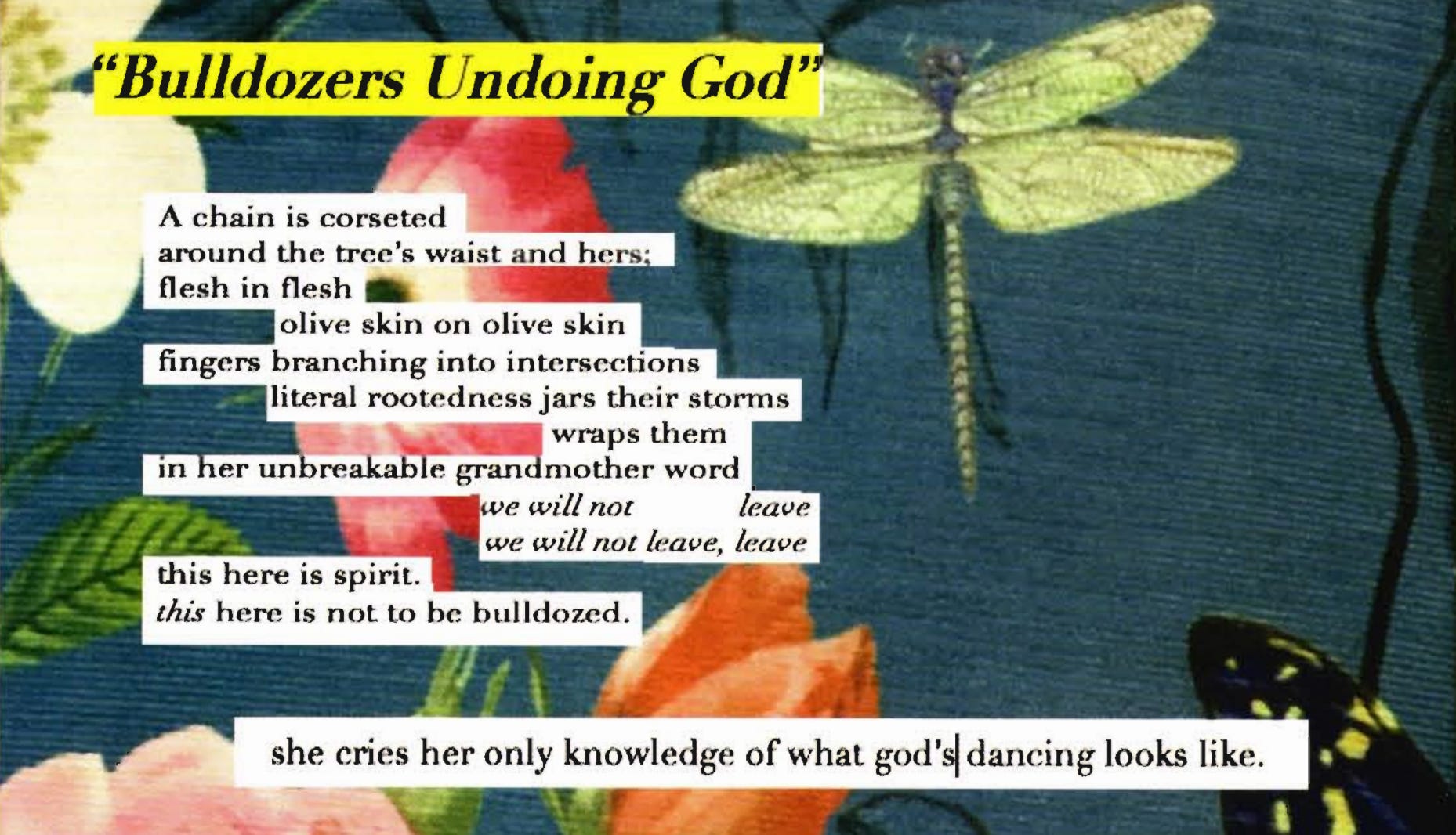
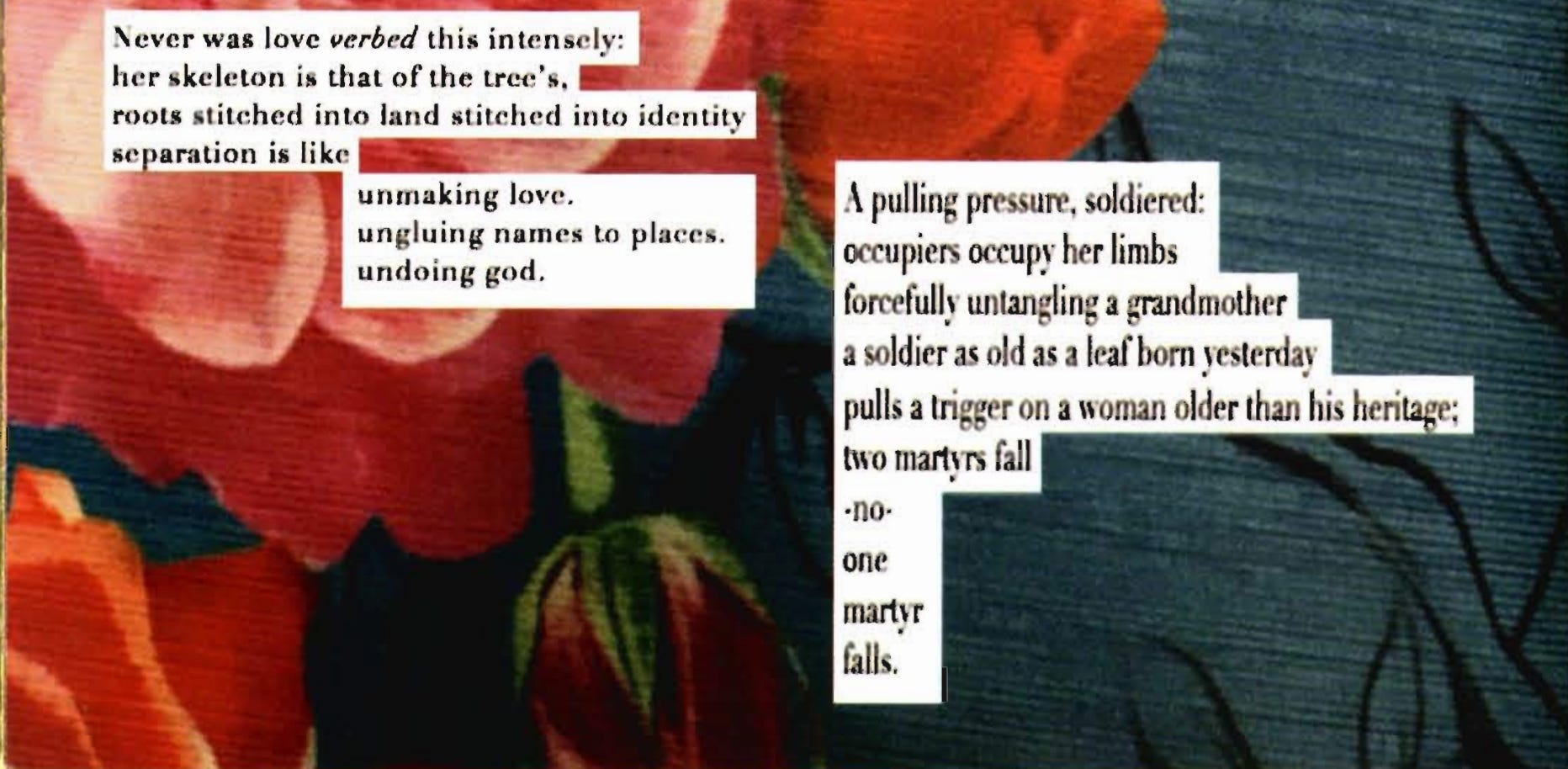
‘To immigrants and exiles everywhere,
the uprooted, the re-rooted, the rootless,
and to the trees we left behind,
rooted in our memories.’


SCENT


I’ve mentioned Tanaïs before in the first edition of my sensorium. I couldn’t resist including their perfume Ancients for tree lovers.
‘Perfuming the body of my beloved is an act of transposing earth smells onto his skin. In nature and embodiment… The vasanas of our hikes became Ancients, a bhumigandha, an earth perfume, a naturalist’s fougère, a meditation of evergreens on the skin.
Walking among the ancients, we remember how binary systems dissolve in nature. Towering redwoods and low-lying ferns reproduce, sexually and asexually, underneath our feet, a vast network of mycelium with thousands of sexes terraforms the earth, providing nutrients to the forest to ensure their own survival. In my perfume, head notes of evergreens, fir, cypress, pine—oils that evaporate quickly off the skin—represent thousands of years of knowledge imprinted in our consciousness that lay just beyond our grasp.’
SIGHT
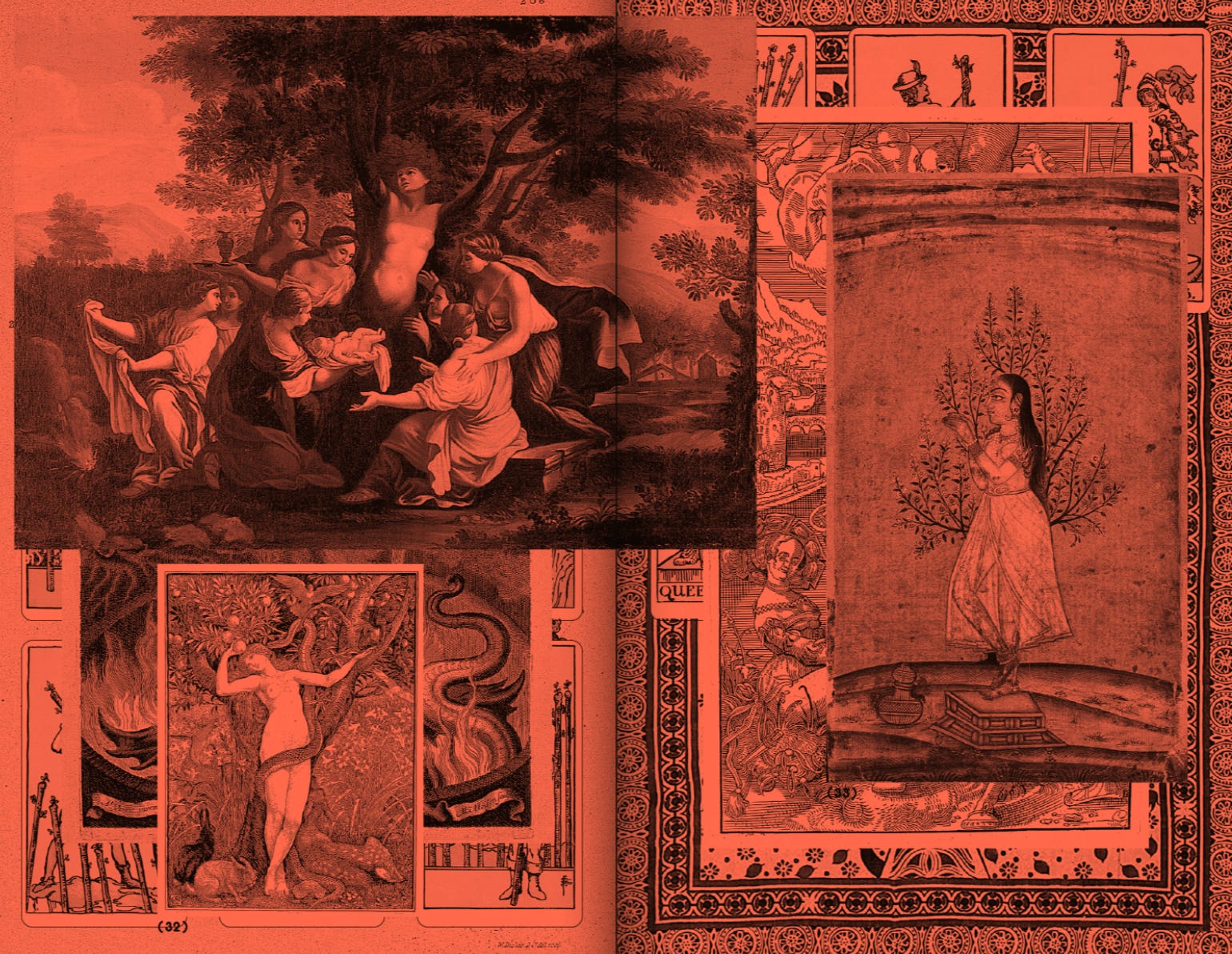



I have my eyes on the book A Tree: A Reader on Arboreal Kinship, an exhibition and publication that explores artist’s research regarding trees and how tuning into their sense of time can help us face the anthropocene. Similar to the Haudenosaunee’s 7th generation principle or Roman Krznaric’s ideas around becoming a good ancestor.
Another project reorienting our sight into vision is the Future Library.
1,000 trees have been planted in Norway so that they can eventually become the paper used to print books for a secret anthology. Every year an artist is chosen to write about nature, but their work will remain hidden until after our lifetime, like a time capsule.
Visitors are able to see both the forest, and the silent room where 16,000 pieces of wood were crafted to create 100 (growth) rings of drawers where the unread manuscripts will be housed until 2114.
‘This is a letter to the future. We assume that people will still be around, that they will be able to read, that they will still be interested in reading, that there will still be a library. We don’t know how the world will be, with the climate and humankind, so this is a project that is immersed in hope and a cosmic sense of time. Think of this as cultural storage for the future. That books are trees and libraries are forests.’
- Margaret Atwood
‘Carrying my cloth here was like a wedding of my manuscript with this forest. Or a small funeral waiting to be reborn, hopefully. Or a lullaby for a century long sleep, softly touching the earth all the way.‘
- Han Kang
One last visual I wanted to include is this 1990 film featuring Björk which is based on a Brother’s Grimm fairytale about grief & witchcraft: The Juniper Tree.
SOUND
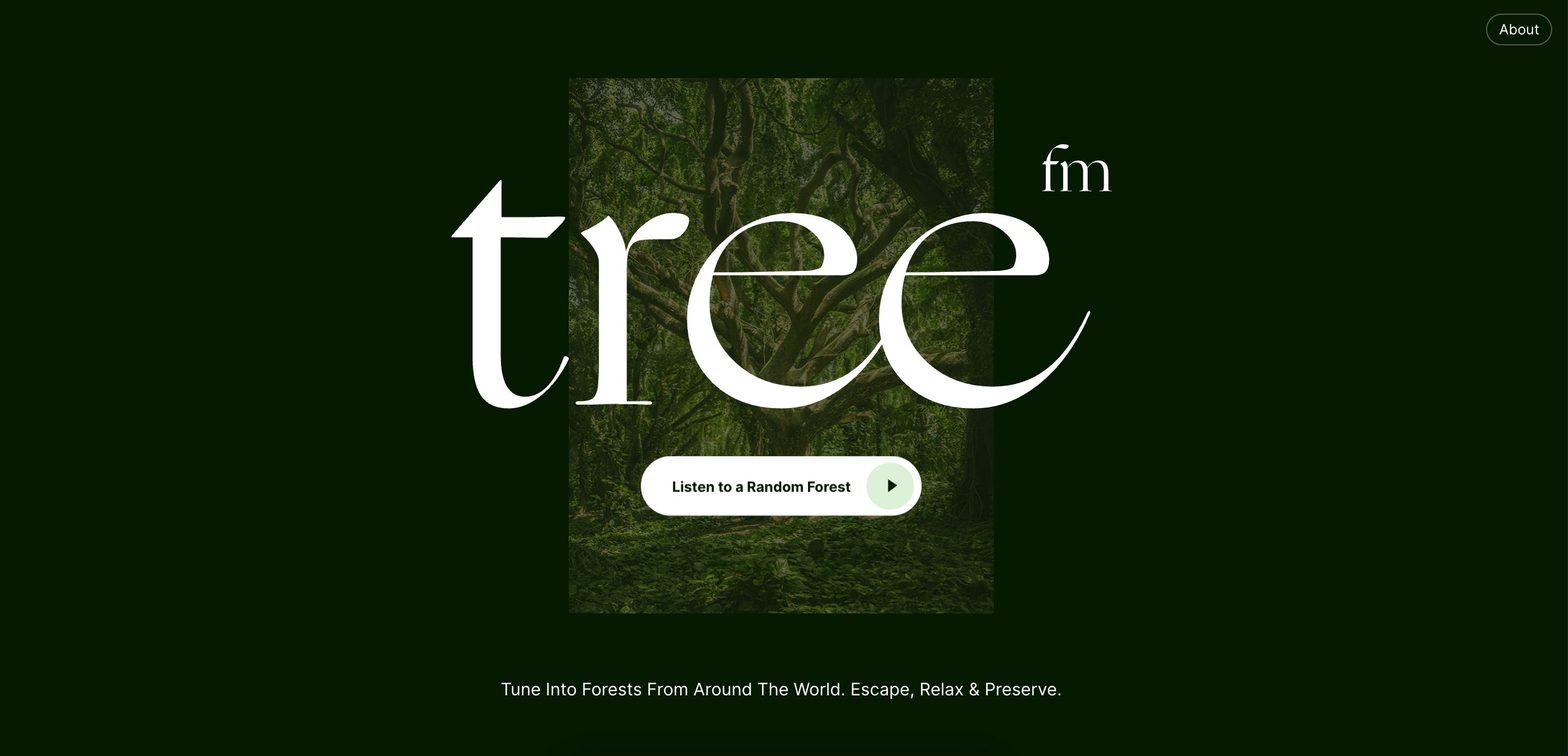
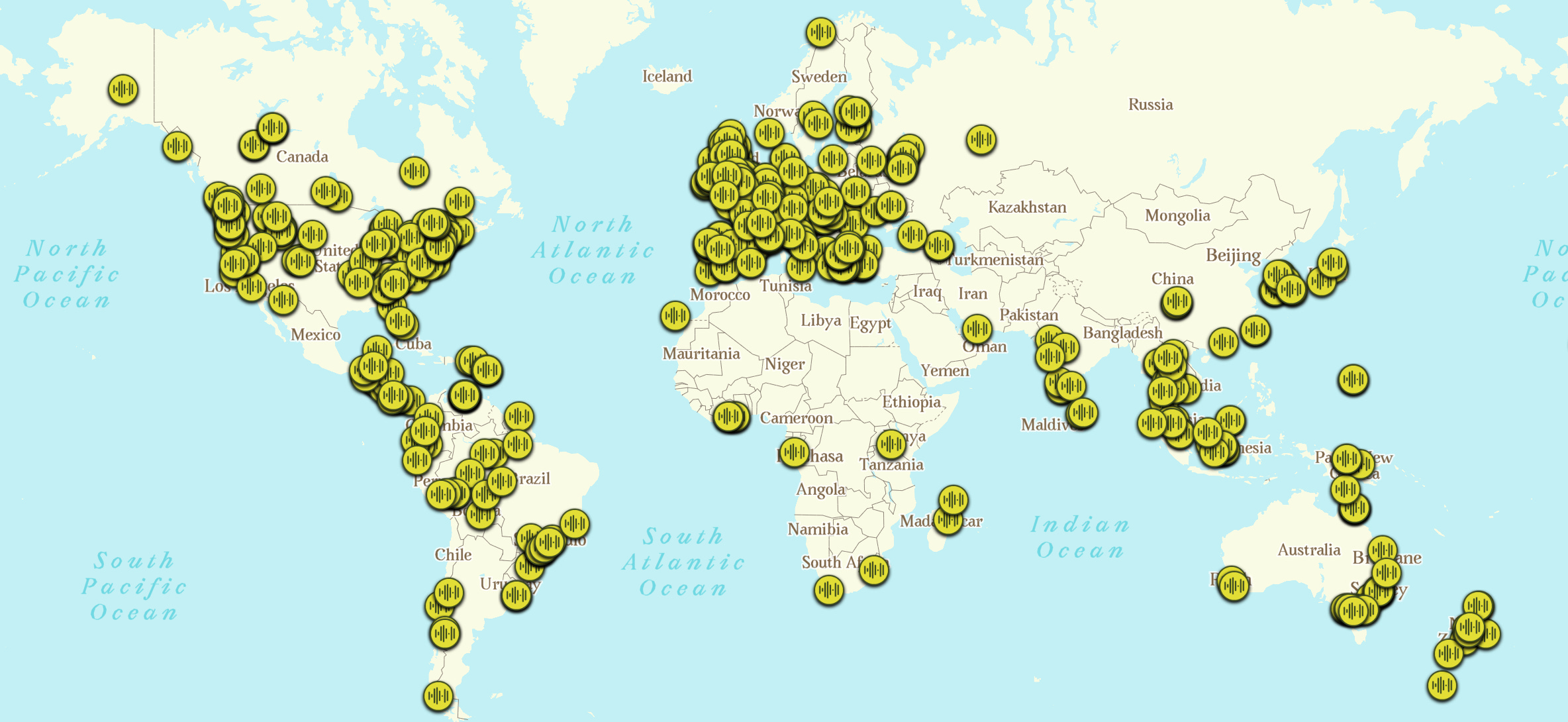
Listen to trees from all over the world and submit your own forest recording at Tree.FM. There’s also an open source map at Sounds of the Forest.
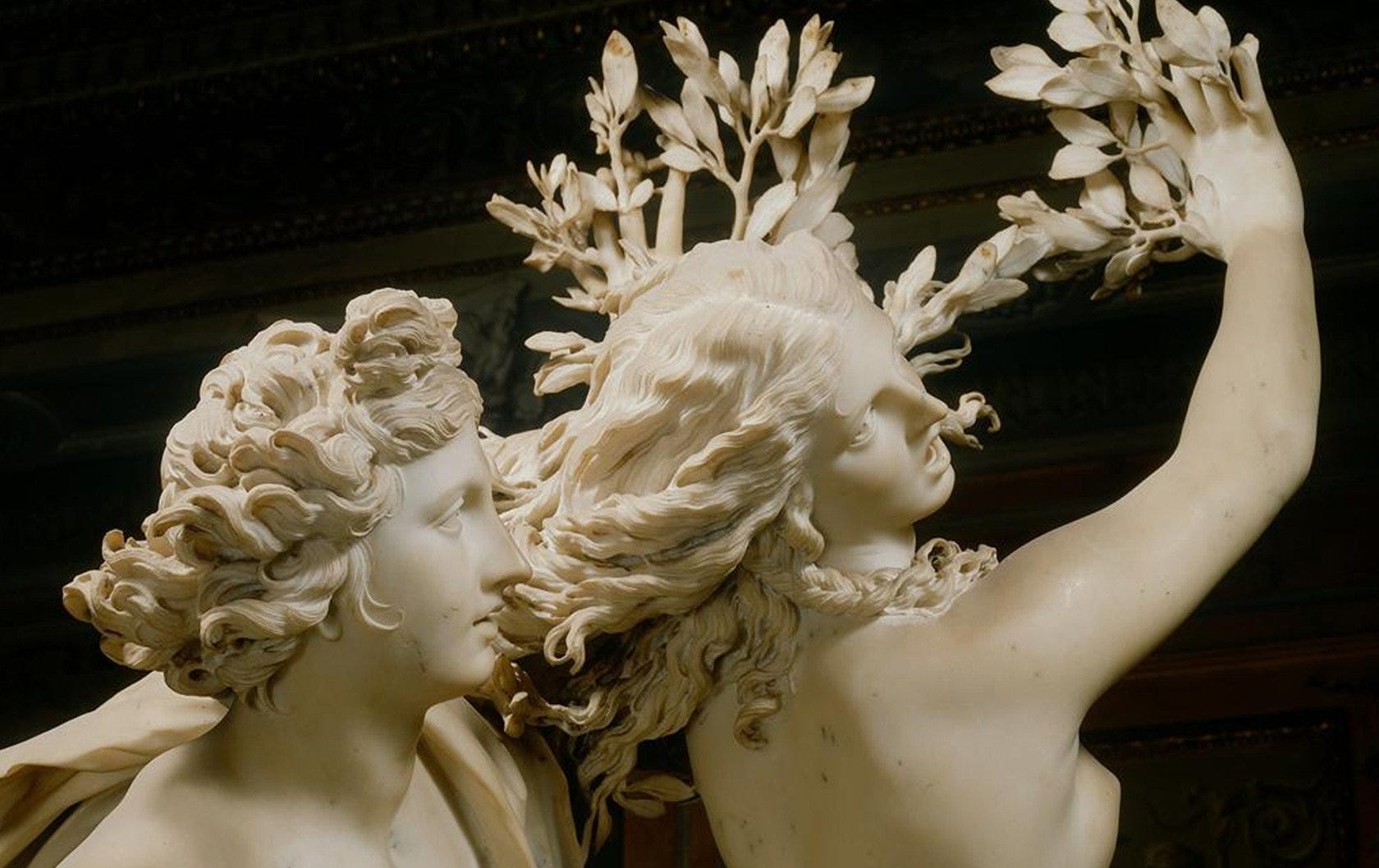
For something more mythopoetic, consider wound wood and how trees show us how to carry trauma through rot, repatterning & regrowth.
‘Many of the stories are how people change into plants: a body becomes vegetal after a loss. For example: Myrrha transforms into a tree after a trauma (a Myrrh tree, of course, which is why it is said that her hardened tears are the aromatic resin of the Myrrh). In her arboreal form, she gives birth to beautiful Adonis, who is later impaled by a wild boar and becomes a red anemone flower. And the change continues. There is constant transformation in Metamorphoses: the characters become earth and earth becomes itself, over and over again.’
-Liz Migliorelli of Sister Spinster in A Floral Becoming
TASTE
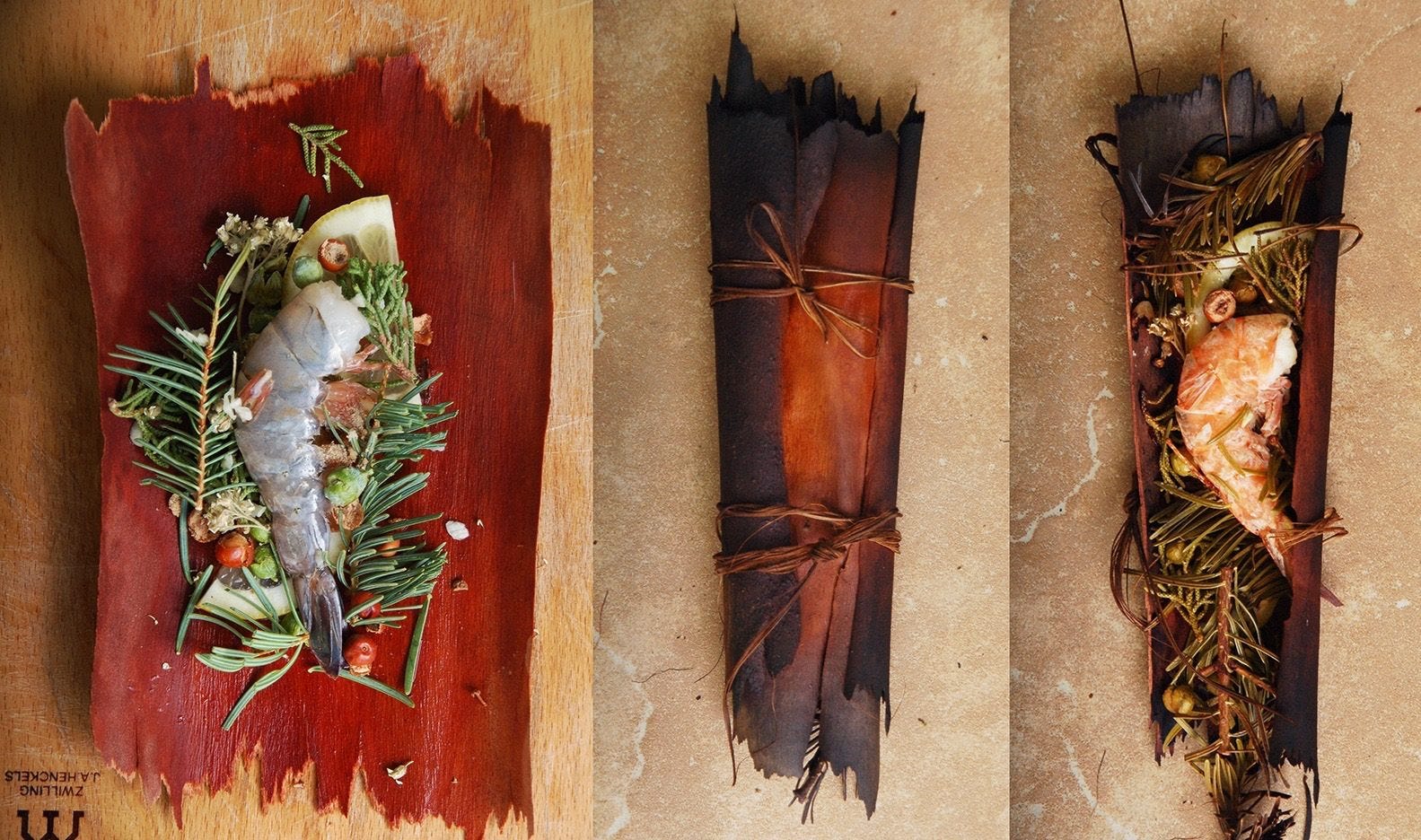
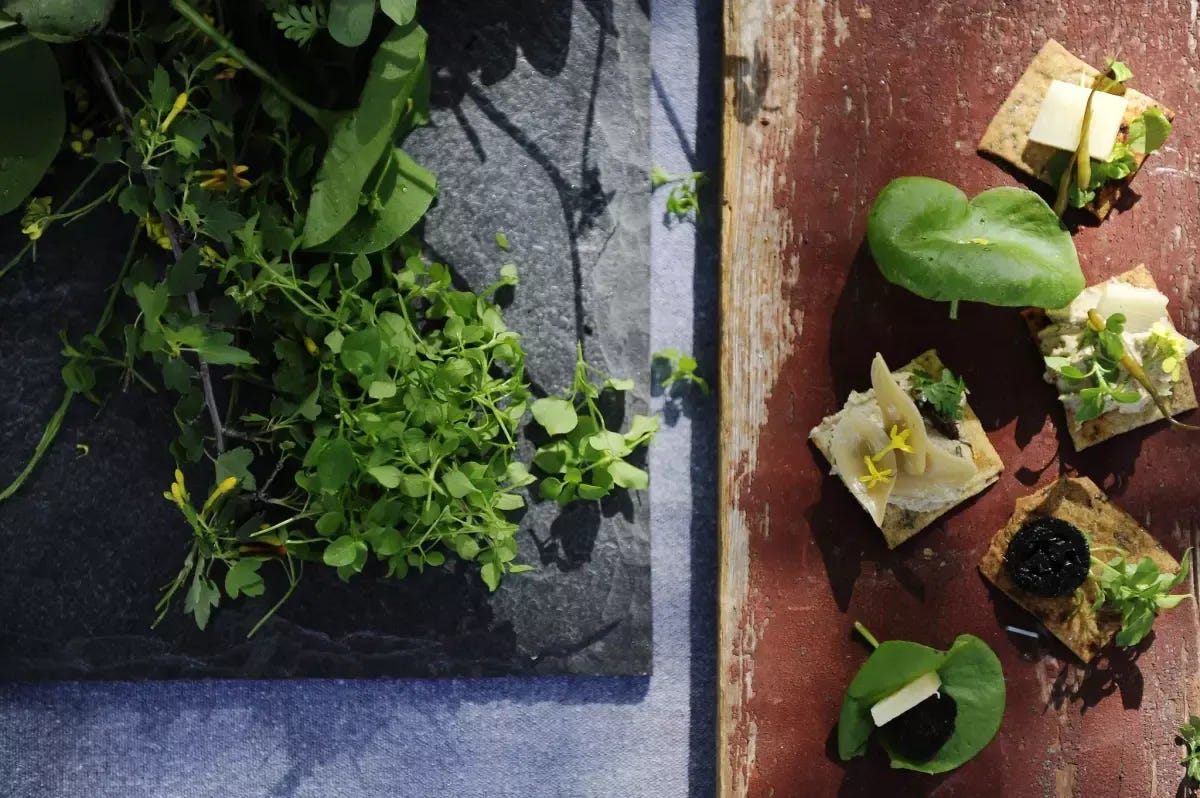
Tree sap, resin gum, maple syrup, bark, tea leaves…there are many ways to consume a tree. The most obvious of which would be to eat their fruit. However, I was drawn to the work of Pascal Baudar and his book Wildcrafted Cuisine. Baudar is a forager who uses local (and invasive) plants to created dishes that look more like art compositions to me. Something about the color palette and plating reminds me of the luscious & visceral culinary scenes from Hannibal.
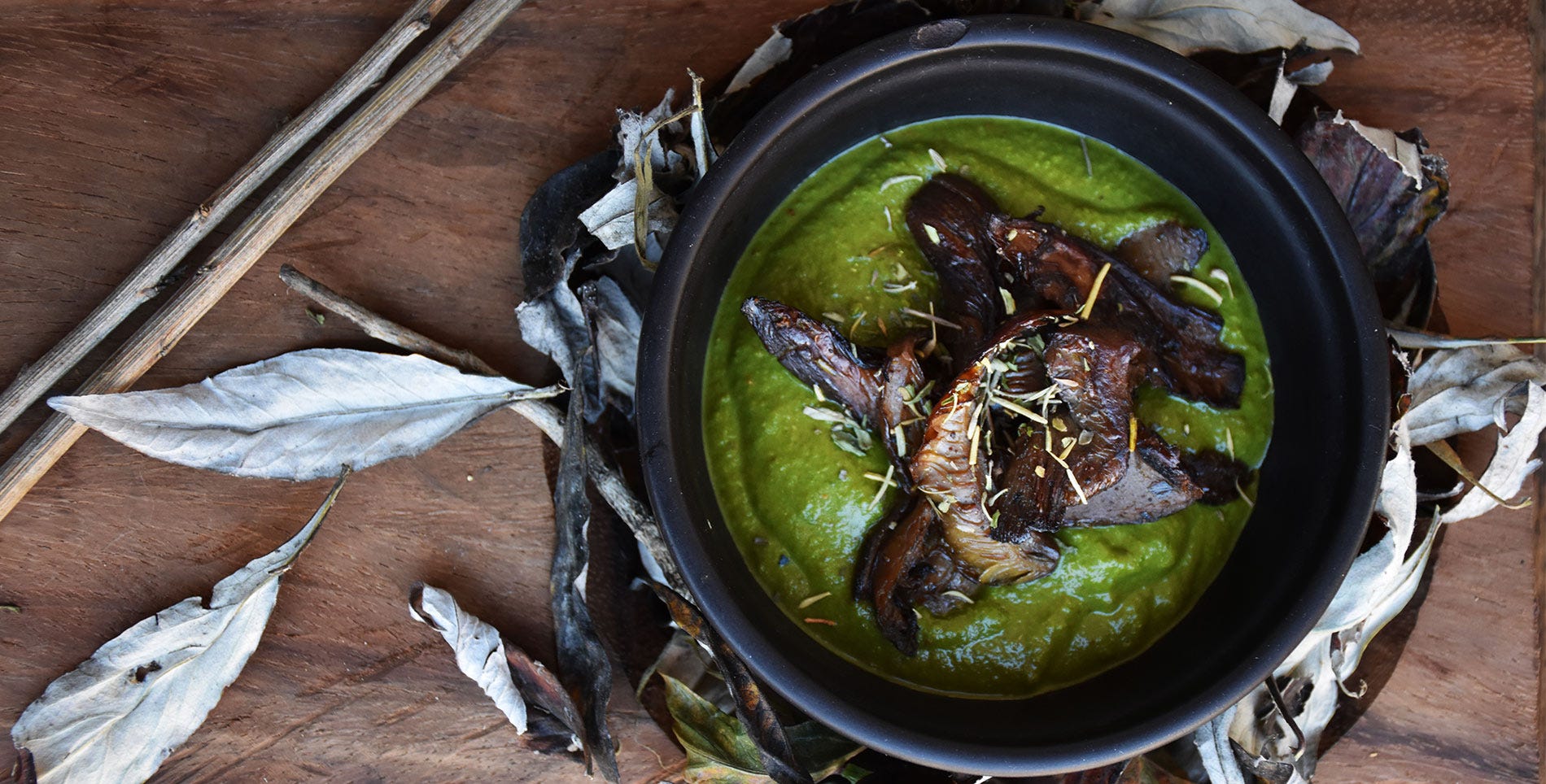
‘It wasn’t the pull of kitchens or restaurants that drew him back to the craft, 16 years ago, after a career as a graphic artist and virtual reality programmer: It was the millennium itself, or rather the end of it. So Baudar went back to the woods, and began taking and eventually teaching classes in survivalism and self-reliance.
Baudar credits not only survivalists for inspiration and back story, but the Native Americans who were using wild plants centuries before celebrated chefs such as Marc Veyrat, Michel Bras, René Redzepi and Magnus Nilsson rediscovered them. He also credits the botanists and medieval scholars who studied them — Baudar obsessively researches any plant before using it, consulting books in French and Latin, plus the endless network of the Internet — as well as the old European ladies he says he sometimes sees foraging.’
If you’re into biophilia, biting humour, and beautifully drawn illustrations sink your teeth into my sister’s alternative comic about climate change: Endsickness.

TOUCH

Throughout the past couple years, in moments of deep exhaustion and despair, I have been held by trees. I have offered my tears as libations, let their roots soak up my sadness, and felt their arms reaching out to me. If you too are feeling heavy with grief, let these kinfolk hold you close as Raya Ward describes in My Ghosts Remind Me of a World Not Yet Made:
‘I climbed a tree today and let it hold me in my grief. Tangled in its branches, I lay my head down, ear to bark, and listen to its rustle. The sounds of its gentle dance are quieter than I-10 behind me. I lament that I have to drive to reach this park, to come be with my tree. I look down to its roots, then up through its canopy, and take a moment of silence to remember my late mother and her knowledge of the trees.
In this moment, the limbs of my body suspended from those of another, my body is nurturing layers of mourning: climate grief, familial loss, and urban decay. I hold climate grief for the ghosts of the trees I do not see — those ripped from Tongva soil and slathered by L.A. concrete.’
Check out her rituals for mourners, digital grief garden, and Mournful Design for Critical Climate Futures. Their work can also be found in the Grief Studies zine.
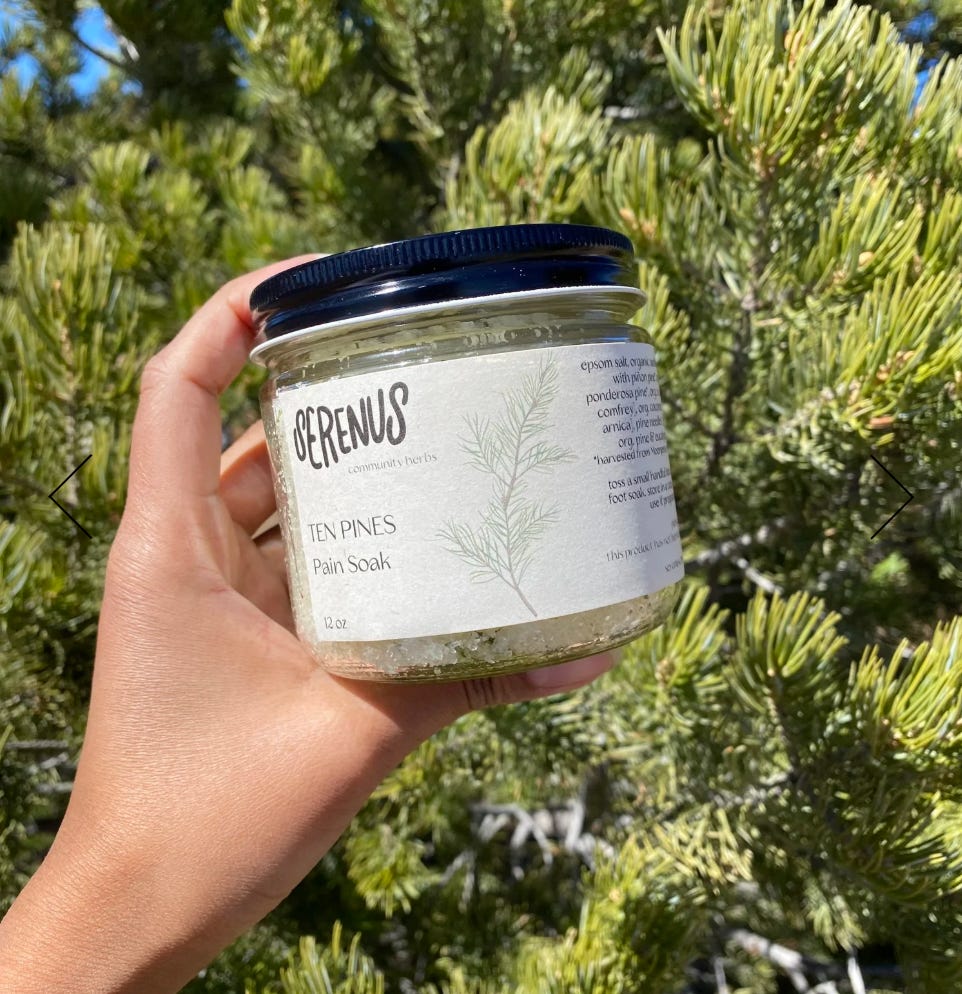
If your body is particularly sensitive and chronically in pain, maybe tree hugging is not enough. If you need some extra tender loving care, I love taking a hot bath with the aromatic Ten Pines Pain Soak from Serenus Community Herbs. After soaking you could slather on this oak body butter.