
Dream Rehabilitation ✹
Dancing in the dark

“An imagination that is unburdened...
It seems like Republicans have a limitless imagination. As Democrats, we’re constructing an ever lowering ceiling of possibility. We are robbing ourselves of ambition and imagination. We’re telling people that their choice is between settling or sacrifice, and neither of those are enough. You have to have an affirmative vision of how life can be better than this because this life already is suffocating people.”
In New York City, on New Year’s Day, I watched the inauguration of Mayor Mamdani from the comfort of my daybed, my small studio sheltering me from the snow. I shared in the excitement with my father from afar.
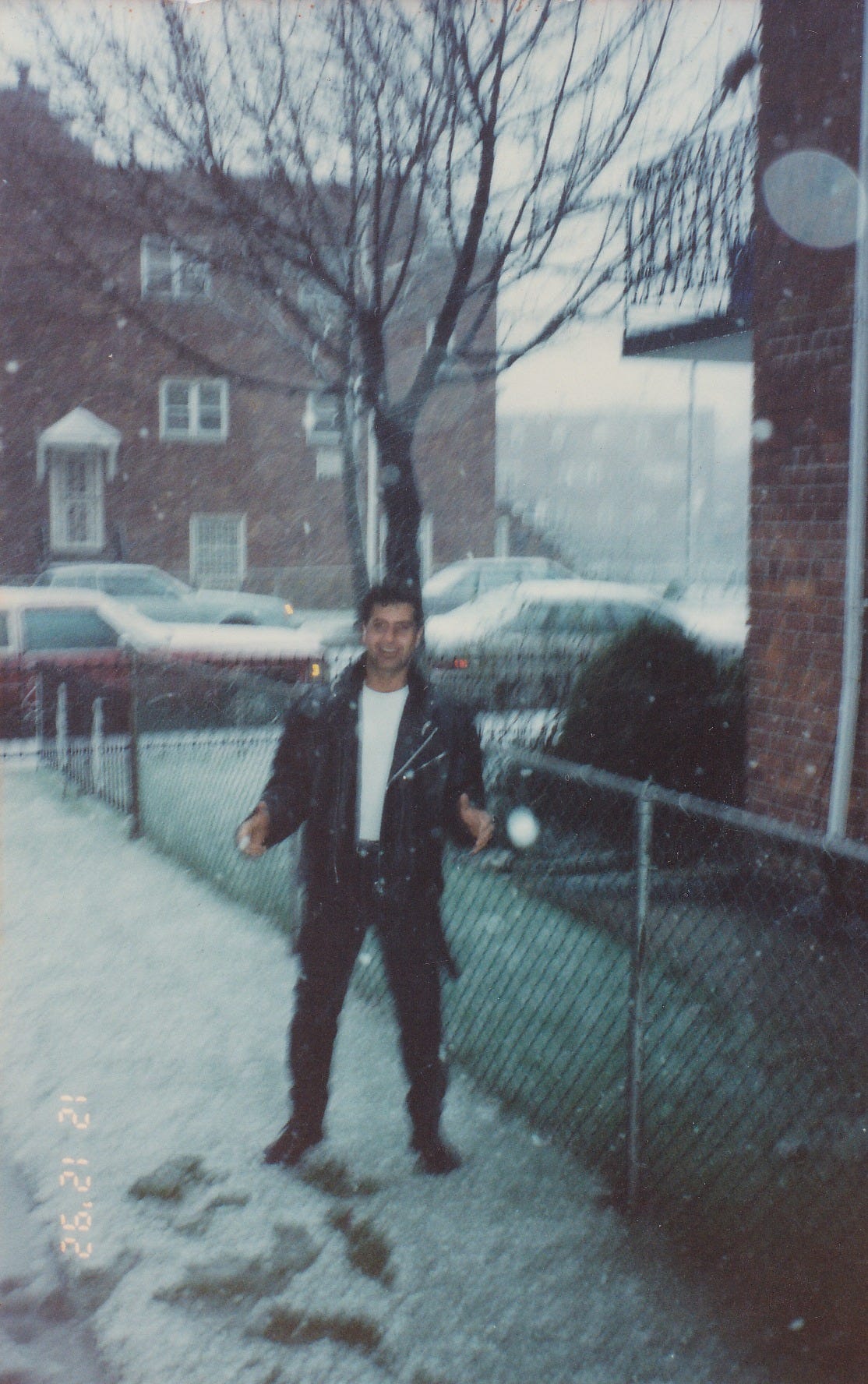
He never describes himself in these terms, but my father is a Palestinian refugee who sought asylum in America. His story is similar to many other immigrants, where he left his degree behind and became a taxi driver and cook to survive in 1990s New York. I was born here, in Brooklyn, but soon after we left the state for California, and eventually left the United States in 2005, before my sister could become a dreamer (DACA).
It’s been 7 years since I left Guatemala and made a makeshift home for myself on the east coast. Despite being countries apart, my father and I still share a connection to this city, a connection to this moment in history as we both witness its first Muslim mayor be sworn in shortly after the Imam’s prayer.
“You have gathered here, diverse in color, language, journey, and name, but united in purpose, stitched together by shared hopes. All yearning to build something meaningful, lasting, and rooted in love, dignity, respect and justice.
Carried forward by people who refuse to accept that the way things were was the way they had to remain. So we come knowing that this day stands on the shoulders of so many who were told to wait their turn, to quiet their demands, to lower their expectations, but instead chose to believe that another New York was possible.
We recognize that belief is not abstract. It was practiced by tenants organizing against displacement, by workers demanding fair wages, by parents advocating for their children’s futures, by communities who kept showing up even when the odds said they should not.
We gather today with heart shaped by this city, by its noise and its neighborhoods, by its subways and sanctuaries, by the dreams carried in many languages and the prayers whispered on crowded blocks.
Bless those who knocked on doors in the cold. Who stood on street corners with clipboards and hope. Who had difficult conversations rooted in love. And who chose participation over despair.
Let the spirit that carried this moment forward, not fade after today. But deepen and always endure. Replace cynicism with courage, and despair with collective hope.
And let that hope be something we practice daily, not something we push back. Let it live in our policies, our streets, our schools, and our systems.
Teach us that hope is not passive. It is built through accountability, through care, and through a refusal to abandon one another. Teach us that the city we pray for, is the city we must also build.
Let what was once thought impossible become the standard by which we measure our future. And let New York City continue to show the world what is possible when people believe in one another.”
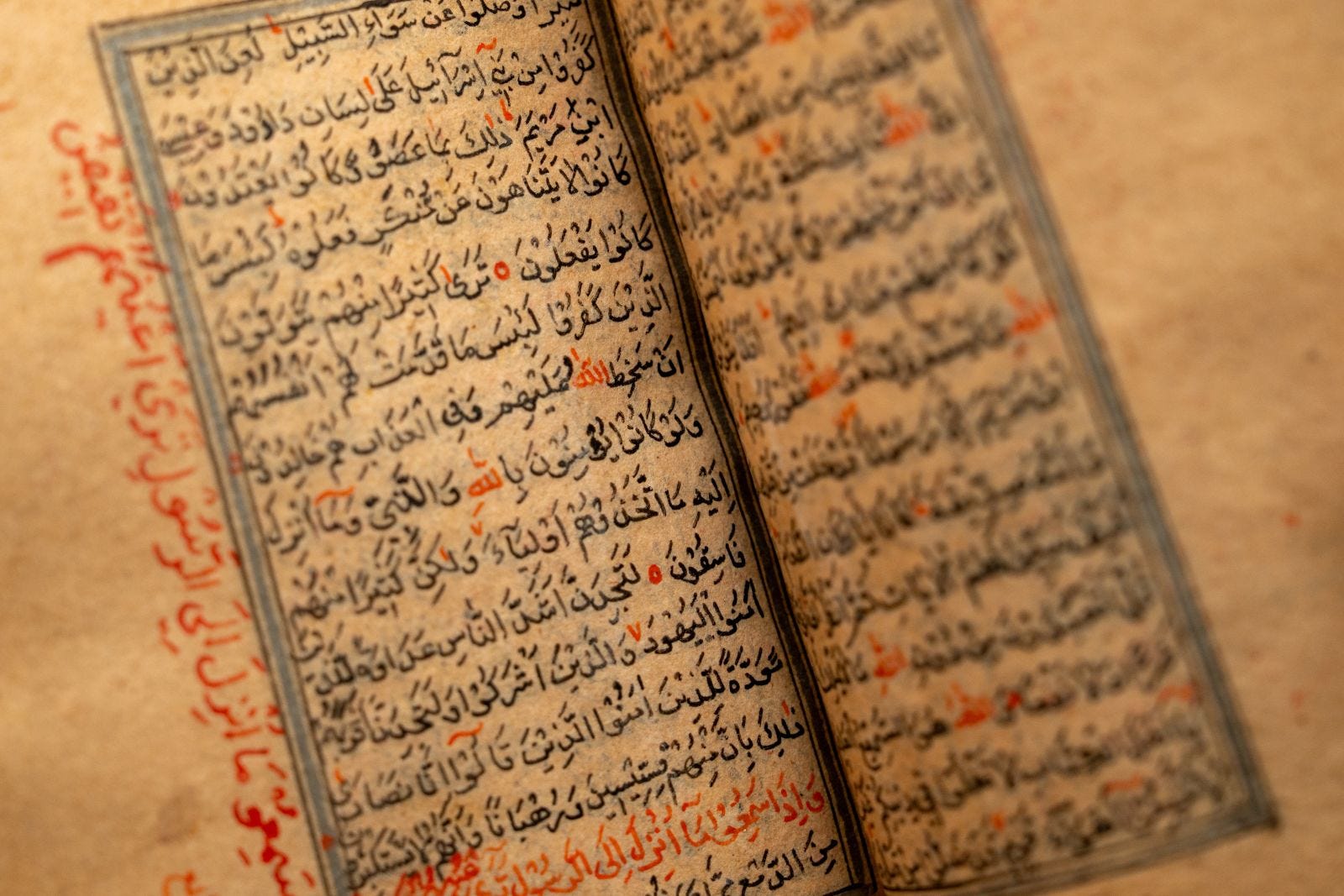
What spoke to me even more than the speeches, was the attention to detail, down to the symbolism of the Qur’an he swore on:
“On the midnight of Thursday, January 1st, Zohran Mamdani was sworn in as the mayor of New York City on a copy of the Qur’an from the personal collection of the famous Afro-Latino scholar and bibliophile, Arturo Schomburg, and on loan from the New York Public Library. Hiba Abid, NYPL’s first-ever curator of Islamic Studies, helped Mayor Mamdani’s team select the Qur’an for this occasion.
Schomburg was a scholar who dedicated his life to documenting evidence of black cultural contributions after a schoolteacher told him there were no significant black cultural or historical figures. Over the course of his life, he collected 4,000 texts, which he eventually sold to the NYPL.
Schomburg was interested in understanding Islam as a living tradition, and he wasn't only interested in acquiring and owning this piece as a physical object. He went beyond that and looked at the meaning of the text and its significance to Muslim people. And because he dedicated his life to collecting materials documenting the African experiences, both in New York and the US, but also in the diaspora and globally, clearly, he considered Islam to be an important component of African culture globally and in the US; he wanted to understand that aspect of the African experience.
This Ottoman era Qur’an, owned by an Afro-Latino Nuyorican scholar, that’s now being used to swear in the first Muslim mayor. That really captures the diversity people have historically associated with New York.
That's why we call it the people's Qur’an, because it is going to be used in this historic moment, but it's also a Qur’an that anyone can engage with right after that ceremony. Just two floors down, visitors can go and look and learn more about Muslim lives and the Muslim experience in New York through the exhibition Niyū Yūrk, currently on display.”
- Hiba Abid & Hira Ahmed for Acacia Magazine. Read the full interview here.
I’m hoping that this year I can attend Niyū Yūrk: Middle Eastern and North African Lives in the City, as well as one of Azad Dandia’s historical walking tours.
This is not to say I’m pinning all of my hopes on a politician. I’ve become a deeply cynical and pessimistic person when it comes to geopolitics and the trajectory we’re on, not just the United States, but the world as we come closer to what once seemed like dystopian fiction: totalitarian surveillance states, ecological disasters, and warning signs of WWIII.
A cult of technocrats have enough future vision to turn these cautionary tales into apocalyptic prophecies, a colonialist’s wet dreams. A topic that Karen Hao goes more into in her book ‘Empire of AI: Dreams and Nightmares in Sam Altman’s OpenAI’ (free pdf).
Imagination is often labeled as escapism but in reality it’s a survival strategy. Can’t a girl die with a dream? After all Thanatos & Hypnos, Grim Reaper & Sandman, the gods of death & sleep are siblings.
I know the pitfalls of over romanticizing a city that has deep chasms. I’m not swept up by blind idealism. I can’t fantasize myself into delusion when I’m constantly confronted with harsh reality. I’ve spoken to my cousins in Gaza where the genocide continues, I’ve witnessed the distress of my Minnesotan boss fearful for her family, and I even had a view of Nicolás Maduro being forcibly taken to MDC Brooklyn from my office lunchroom, a surreal sight I pass by everyday on my commute.
But I want more for us. I want to dream of alternative timelines, and try to cast these nightmares away in action & in thought. Maybe that’s why I’ve loved magical realism since I was a kid, in the midst of violence you can still find magic.
Arturo Schomburg was told no, that what he was searching for didn’t exist, and yet he dared to follow his inklings, to find evidence of that which was deemed impossible. Winter is the perfect time for this type of incubation. Imagination is a prerequisite for creativity.
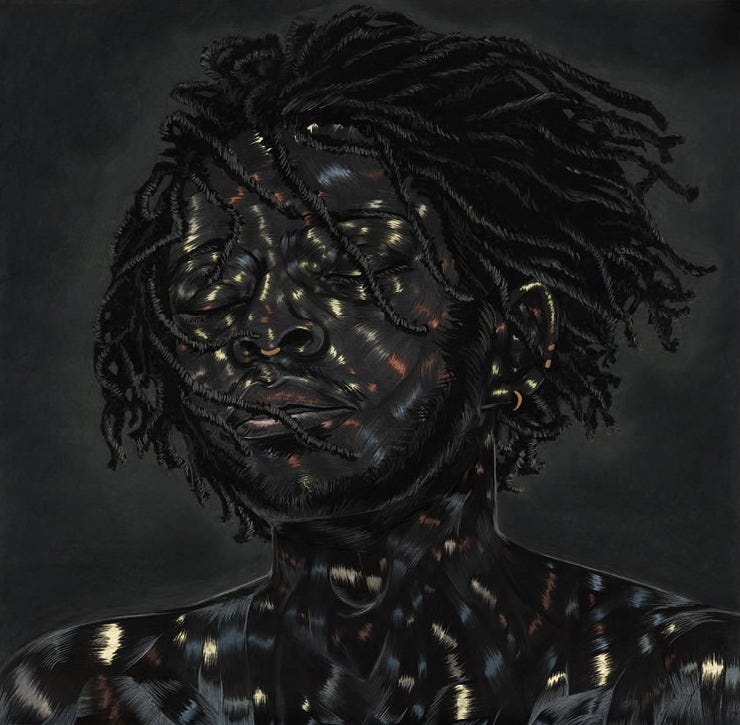
Despite my mixed feelings about the utility of hope & despair during times like these, I choose to situate myself in this moment, to anchor myself in the season and take cues from nature. The lake at Green-Wood is frozen, a soft layer of powder snow across the gravestones, and the koi fish barely stirring beneath the water. What happens when I stay still? What lies waiting for me in the dark?
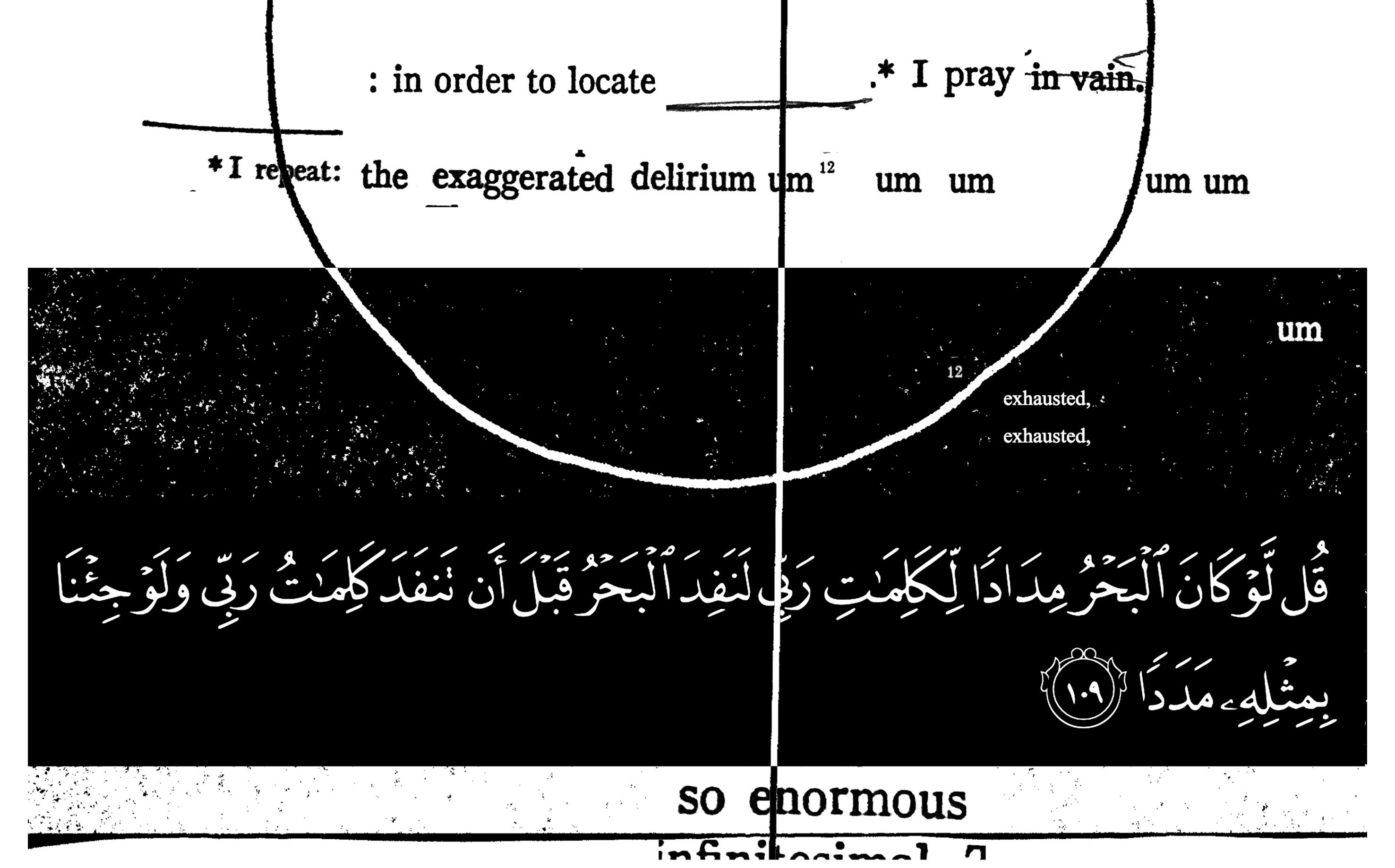
“Black did not mean death or the underworld; it was the color of fertility, the color of damp caves and rich soil, of the womb of the Goddess where life begins. White, on the other hand, was the color of death, of bones — the opposite of the Indo-European system in which both white and yellow are the colors of the shining sky and the sun.”
- Marija Gimbutas in The Language of the Goddess via Professor Jiang Xueqin
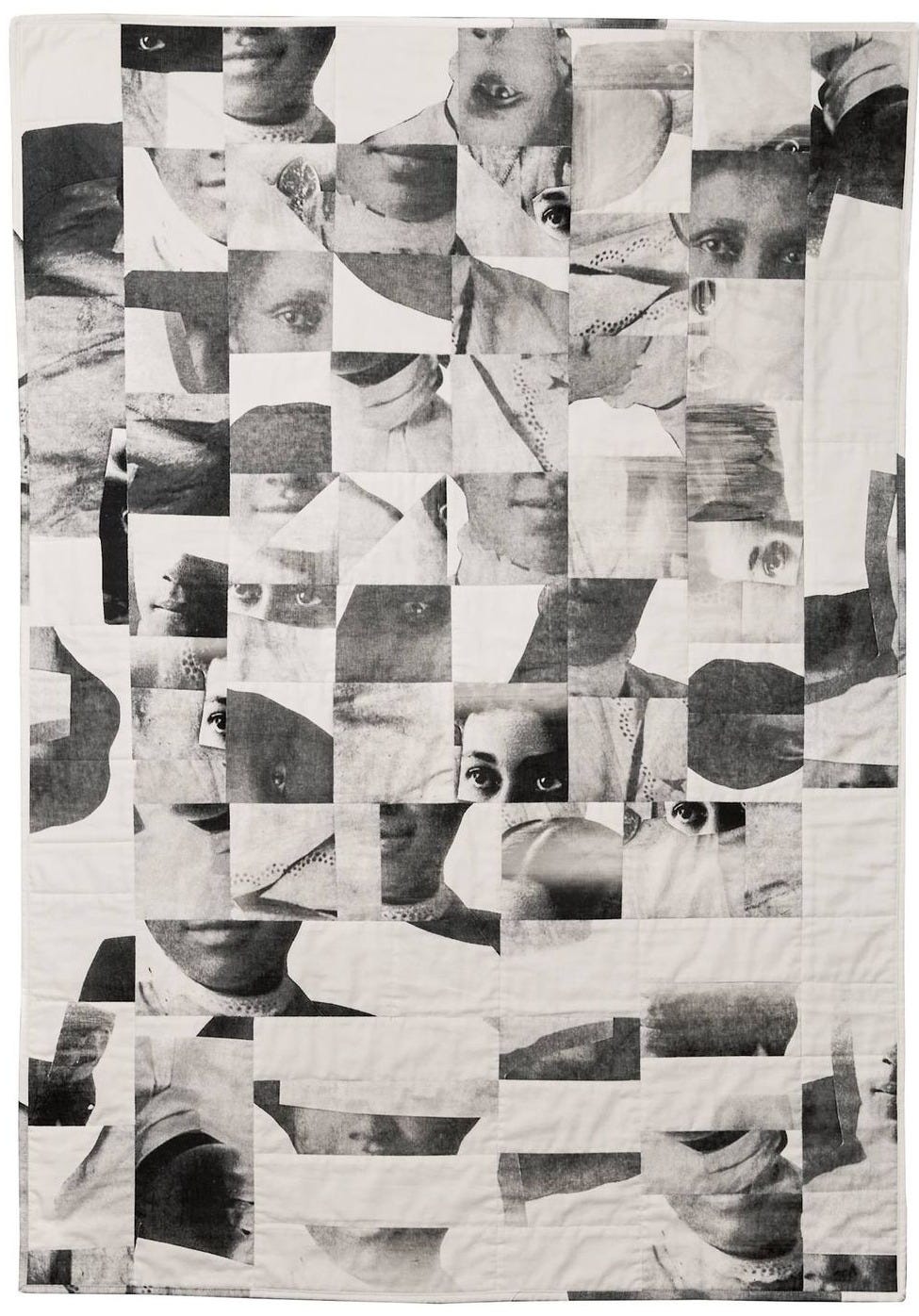
“There is darkness and there is darkness. Though darkness was “present” before the world and all things were created, it is equated with matter, the maternal, the germinal, the potential. The dualism of light/darkness did not arise as a symbolic formula for morality until primordial darkness had been split into light and dark. Now Darkness, my night, is identified with the negative, base, and evil forces—the masculine order casting its dual shadow—and all these are identified with dark skinned people.”
- Gloria Anzaldúa in Borderlands/La Frontera: The New Mestiza (free pdf)
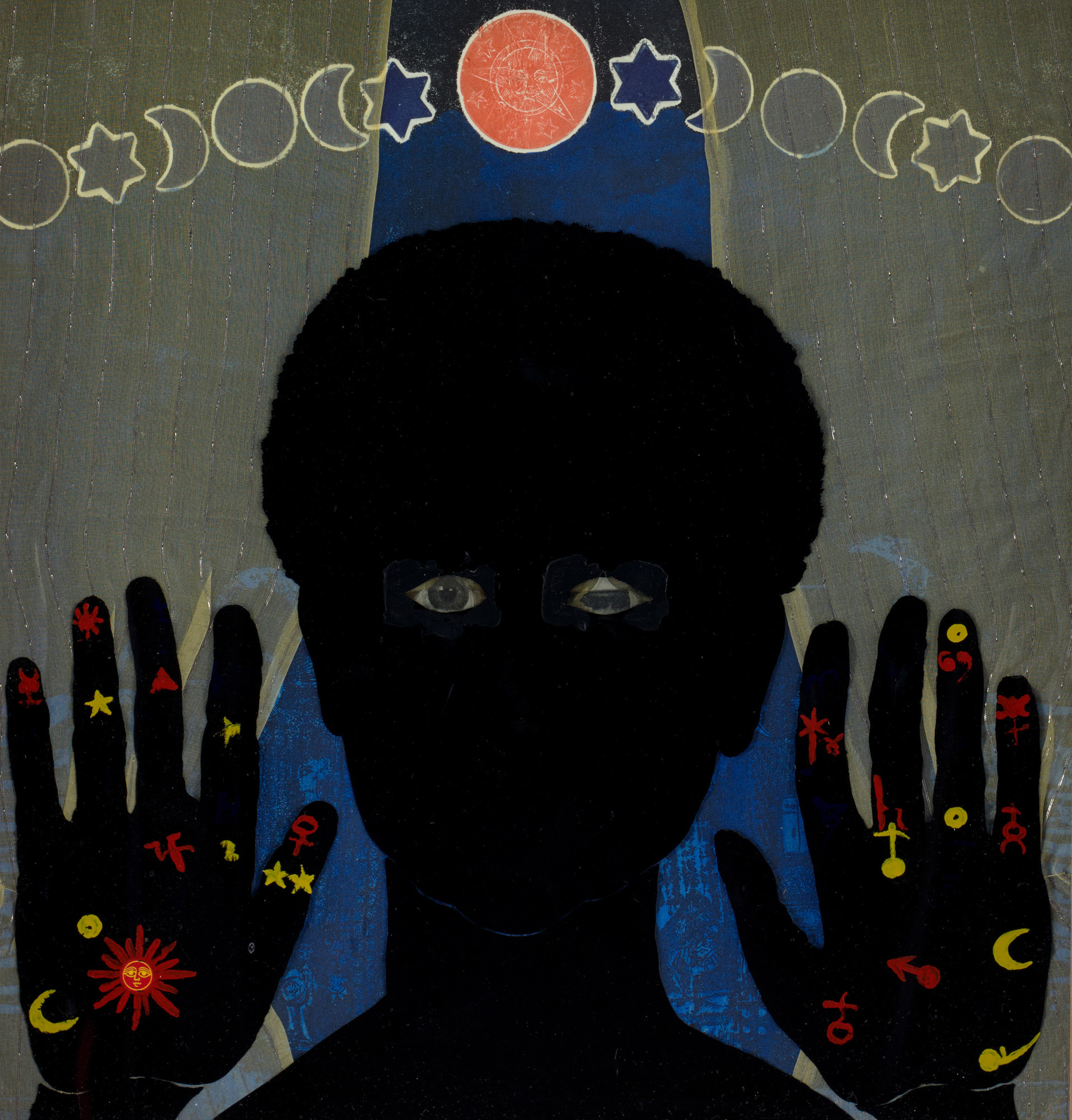
“Soils are the most biologically diverse places on earth. Three quarters of our planet is covered with a layer of sea water, 2 miles in depth, providing a deep, dark habitat to the greatest number of organisms on earth, and the blackness of night is one of the most important influences on the biological world.
Artificial light at night disrupts the livelihoods of nocturnal species, confuses our circadian rhythms, plays havoc with sea turtle navigation, altars how insects pollinate and animals reproduce, interrupts our sleep patterns, and is downright bad for our health - just like white supremacy.
So love your Blackness, respect your shadow, tend to your womb and gut and blood and bones. Even more than your skin and what we can see. Let your eyes adjust to the dark. Therein lies the miracle of starlight, of fireflies, or bioluminescent firefly on a moon-dappled night in the moist oak woods.”
- Naima Penniman in A Darker Wilderness: Black Nature Writing from Soil to Stars by Erin Sharkey
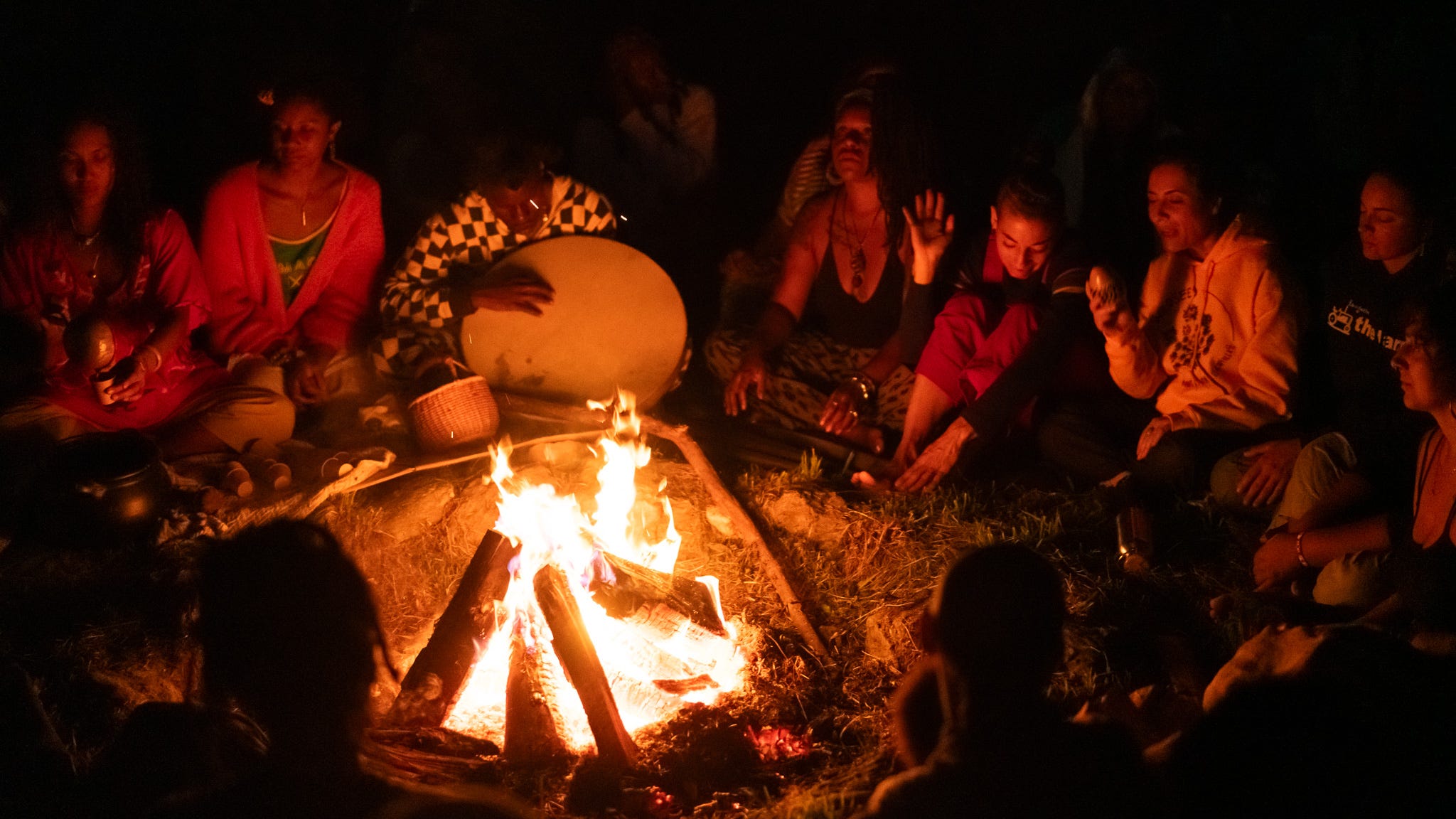
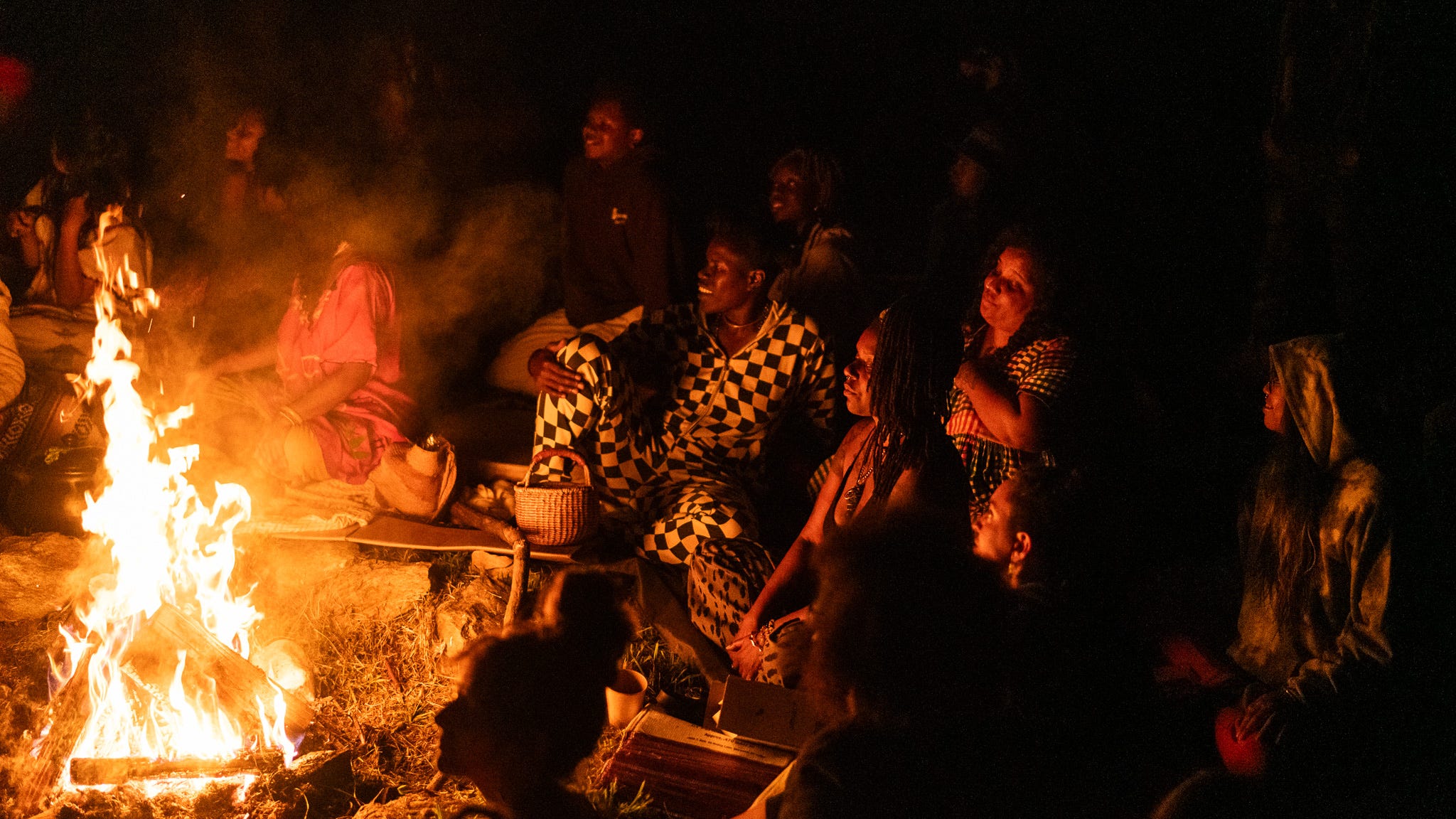
“We enter into another kind of Darkness called by the mystics the ‘Night of Light’, the ’Luminous Blackness’ or the ‘Black Light’. This other-worldly light is the light of the soul, the light of consciousness rising over the Darkness of the subconscious in which the divine Cloud of Unknowing gives birth to an interior burst of initiatic light - the light of the ‘Midnight Sun’.
The black light . . . a light without matter . . . is the light of the divine Self-in-itself. . . the hidden Treasure that aspires to reveal itself. . . The black light is the light of revelation, which makes one see."
- Henry Corbin in The Man of Light in Iranian Sufism via Stanton Marlan in The Black Sun: The Alchemy and Art of Darkness (free pdfs)

“Fear's very useful. Like darkness; like shadows. It's queer that daylight's not enough. We need the shadows, in order to walk…
Light is the left hand of darkness and darkness the right hand of light. Two are one, life and death, lying together like lovers in kemmer, like hands joined together, like the end and the way.
There is neither source nor end, for all things are in the Center of Time. As all the stars may be reflected in a round raindrop falling in the night: so too do all the stars reflect the raindrop. There is neither darkness nor death, for all things are, in the Light of the Moment, and their end and their beginning are one.
It is a terrible thing, this kindness that human beings do not lose. Terrible, because when we are finally naked in the dark and cold, it is all we have. We who are so rich, so full of strength, we end up with that small change. We have nothing else to give.”
- Ursula Le Guin in The Left Hand of Darkness (free pdf)
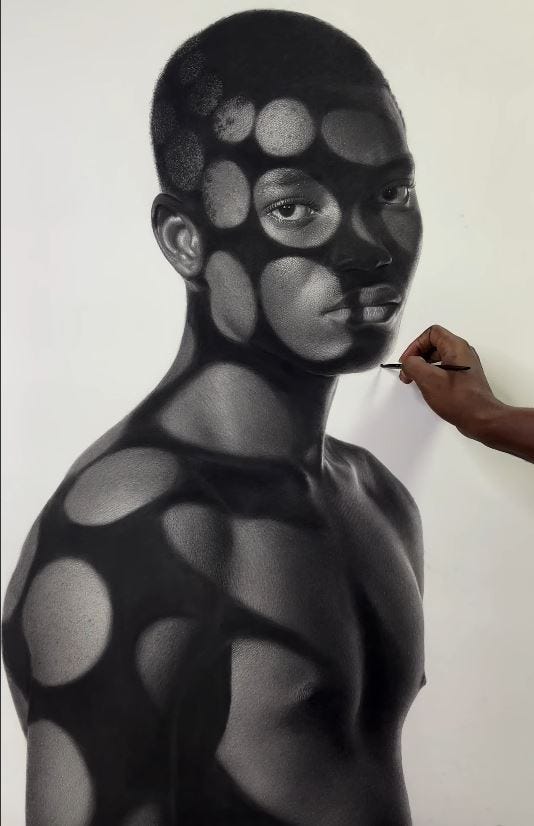
“Even though darkness is restated as evil or absence, this is not simply the case. Think about it, dear: don’t things grow in dark places? Seeds tremble and crack open in the dark of the soil; babies grow in the darkness of the womb; photographs need darkrooms to properly develop; and, even though light is often centralized as the main “ingredient” in the production of biological vision, seeing would not be possible without the agency of darkness (if the occipital lobe’s work, shrouded in shadow, is anything noteworthy). Little wonder Jung observed that darkness “has its own peculiar intellect and its own logic which should be taken very seriously.”
Darkness is not the absence of light as we’ve been so forced to believe. It is the very dance of light—it is light in rapturous contemplation of herself, in poetic adoration of her own contours and sensuous nuances. And we will never see this except we join her, unless we marvel at her rapid steps, unless we get caught up with her in her festive charade of realness, in her chaotic performance, in her heady spin, in full embrace of her extravagant sweaty waltz—for when we do, we will realize that shadows are merely the spaces she has tenderly left for us to place our feet.”
- Bayo Akomolafe in Finding the Dark: Decolonizing Darkness
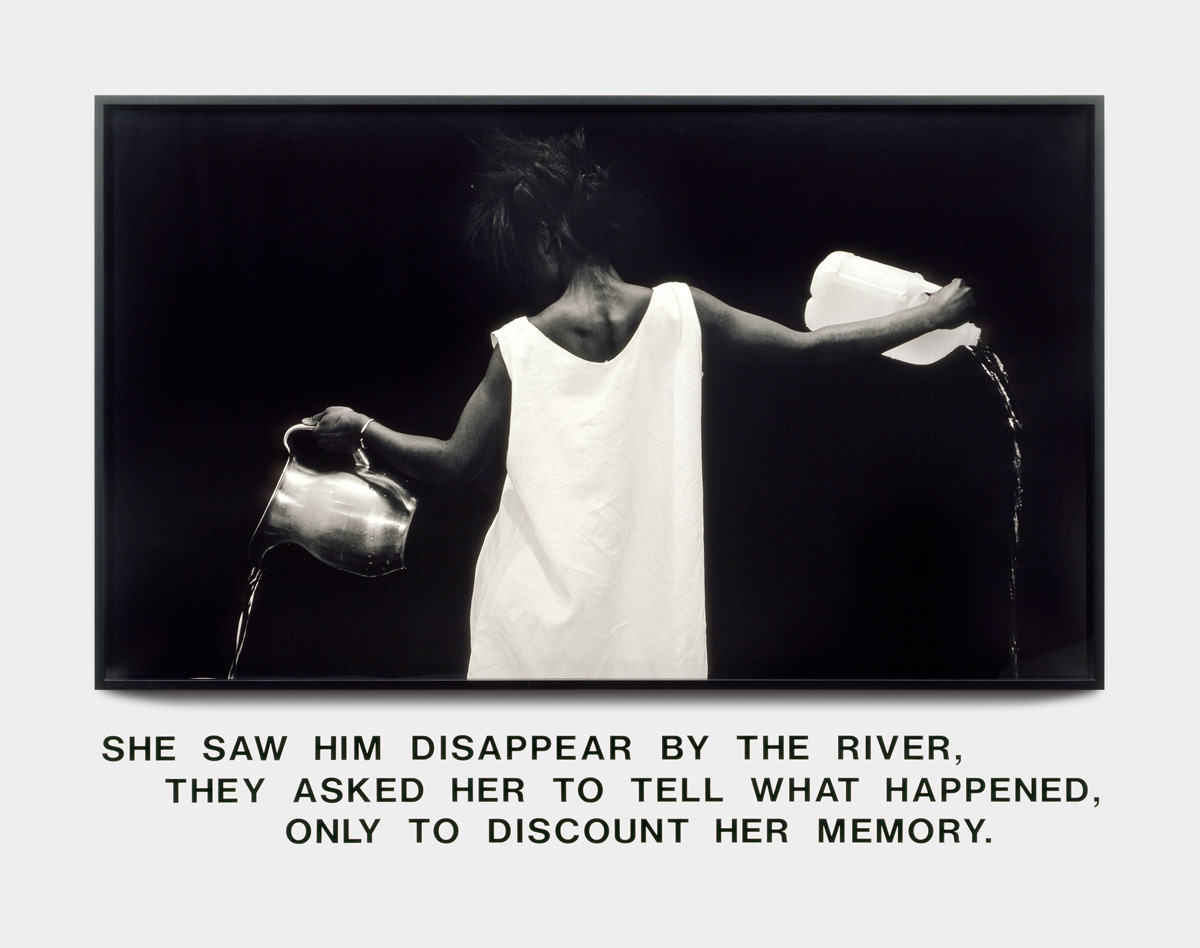
These last years full of crisis, trauma, burnout, and grief have made my passions loose their luster, past desires have dissolved, priorities have shifted. I was consumed by urgency and the survival of others. Now, I’m unsure which of my dreams still hold true.
I first heard the term dream rehabilitation from Sarah Faith Gottesdiener. She describes treating yourself (and your capacity to dream) like a wounded animal that’s been rescued, with gentle care, tenderness, patience, replenishment, and titration (small doses of exposure). She writes:
“Dream rehabilitation. Re-remembering, recalibrating, and resetting. Regaining or growing faith, in order to vision and dream.
This begins with getting grounded. Learn how to trust what your hands want to make more. Learn how to listen to, respect, and trust your beautiful body.
The soil must be fertilized, the ground must be stable, so that the dreams must grow up from sturdy roots.
Step back into trust, let yourself be held in the dream field. Trust can be intangible, but right now, it is found through space, time, and the material realm. Trust can be a smooth stone you hold in your hand, the birds singing the same song each morning, a soft glow in your belly that guides you forward.”
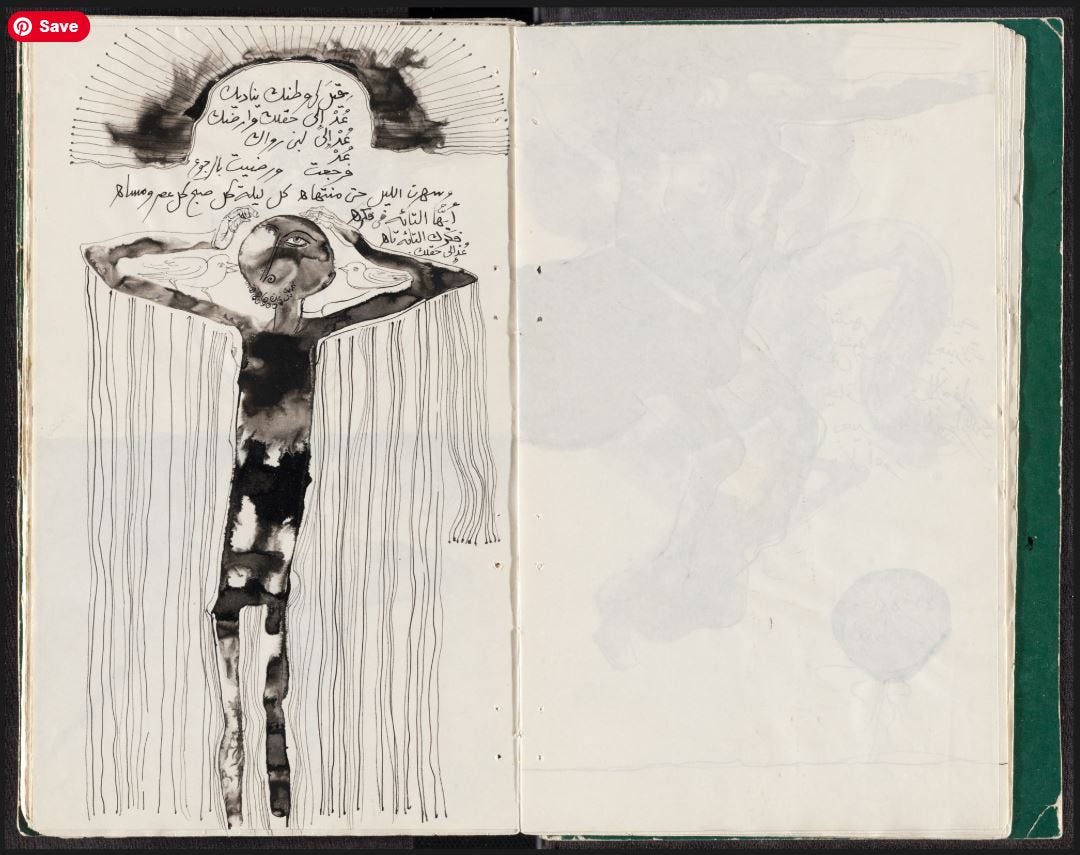
I’m still sifting through different schools of thought about dreaming, imagination, hope vs hopelessness. I’ll be sharing more breadcrumbs soon.
“O California, don’t you know the sun is only a god
if you learn to starve for him? I’m bored with the ocean
I stood at the lip of it, dressed in down, praying for snow
I know, I’m strange, too much light makes me nervous
at least in this land where the trees always bear green.
I know something that doesn’t die can’t be beautiful.
Have you ever stood on a frozen lake, California?
The sun above you, the snow & stalled sea—a field of mirror
all demanding to be the sun too, everything around you
is light & it’s gorgeous & if you stay too long it will kill you
& it’s so sad, you know? You’re the only warm thing for miles
& the only thing that can’t shine.
- I’M GOING BACK TO MINNESOTA WHERE SADNESS MAKES SENSE by Danez Smith
Thank you, Leila. I needed this today. Your words and thoughts are so nourishing.
I love being able to listen to The Painted Veil. Thank you for creating the audio version too!